There’s a moment in my kitchen when the sizzling begins, and my heart skips a beat—it’s the sound of cooking that signals comfort and care. My first encounter with Korean Beef Bulgogi Bowls happened during a family gathering, a time when the air was filled with laughter and the gentle clatter of dishes. I can still see my cousin Marissa, her eyes sparkling with enthusiasm as she laid out the ingredients on the table—thinly sliced beef, vibrant vegetables, and a sweet, savory marinade that seemed to dance in the bowl. I was captivated. The delicious aroma permeated the room, and I couldn’t resist the urge to take a spoonful of that flavorful mixture. Little did I know that I was about to embrace a dish that captures not only umami flavors but also the essence of family gatherings. Korean Beef Bulgogi Bowls became more than just a meal to share; they transformed into a cherished recipe that we can’t help but make time and time again.
Flavor and Popularity
The Unique Flavor Profile of Korean Beef Bulgogi Bowls
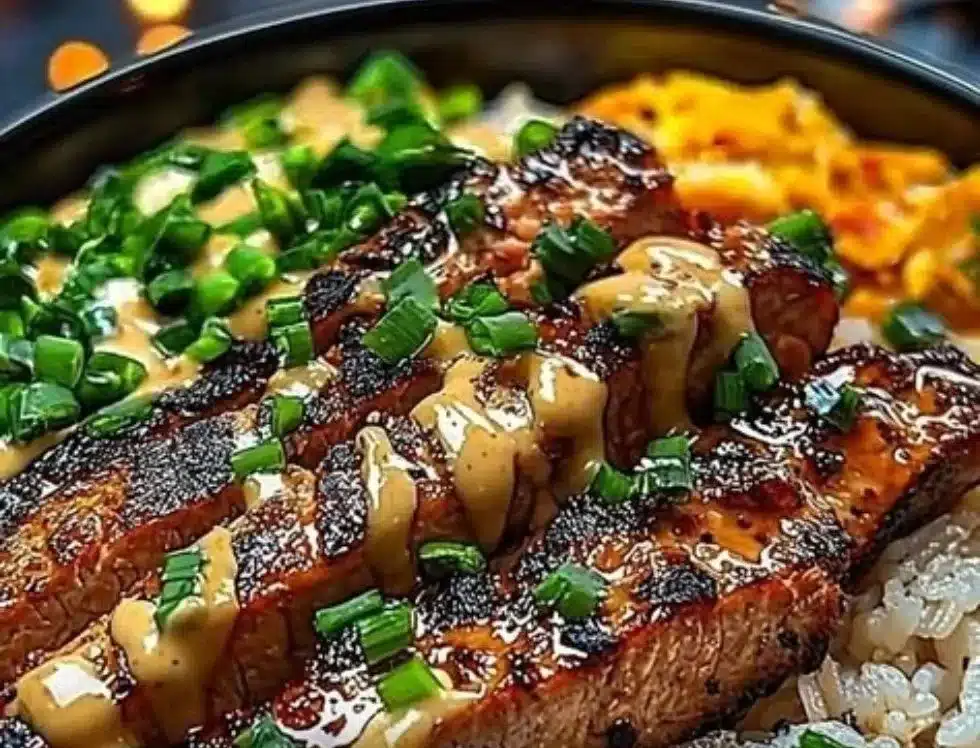
What makes Korean Beef Bulgogi Bowls so irresistible? It’s the artful blend of flavors that comes with each bite. The beef itself, typically marinated in a mixture of soy sauce, sugar, sesame oil, and garlic, becomes exquisitely tender and infused with that wondrous blend of sweet and savory. The marinade not only enhances the meat’s natural richness but also allows it to absorb the vibrant notes of ginger and fresh scallions, resulting in a flavor that is deep, earthy, and oh-so-satisfying.
As you cook the beef, you’ll likely notice how beautifully it caramelizes, creating a lovely golden crust while still maintaining a buttery texture inside. This dish is perfect for those who appreciate the delicious complexity of simple ingredients coming together in harmony. The accompanying vegetables—crisp bell peppers, earthy mushrooms, and cooling cucumber—add freshness and a pop of color, completing the stunning presentation of your Korean Beef Bulgogi Bowls.
Why This Recipe Is a Family Favorite and Crowd-Pleaser
One of the beauties of Korean Beef Bulgogi Bowls lies in their adaptability. Whether you’re hosting a casual weeknight dinner or a festive gathering, this dish can easily cater to various tastes. No wonder it has found a special place in my family’s repertoire. Each of us has our little spin on it—some prefer adding a sprinkle of sesame seeds, while others might love a punch of gochujang for warmth. This isn’t just about taste; it’s about the experience of creating something together.
His sense of community and joy around meals is something I treasure dearly. Whenever we gather around the table filled with bowls of bulgogi, I feel a sense of belonging that transcends food. We share stories, laughter, and sometimes even a little bit of friendly competition over whose bowl is the most flavorful. These moments remind us why we cook in the first place; it’s all about nurturing connection, celebrating togetherness, and of course, enjoying scrumptious flavors.
Essential Ingredients and Possible Substitutions
To prepare your own Korean Beef Bulgogi Bowls, you’ll need the following essential ingredients:
- Beef: Choose a well-marbled cut like ribeye or sirloin for tenderness and flavor.
- Soy Sauce: This adds that deep umami flavor we crave.
- Brown Sugar: For a touch of sweetness and to help caramelize the meat.
- Sesame Oil: Enhances the nutty aroma of the dish and adds richness.
- Garlic and Ginger: The aromatic heroes of any dish, imparting warmth and depth.
- Fresh Vegetables: Crisp bell peppers, earthy shiitake or button mushrooms, and refreshing cucumber are classic choices.
- Green Onions: A sprinkle at the end gives a beautiful crunch and burst of flavor.
- Steamed Rice or Noodles: The perfect base to soak up those savory juices.
If you’re looking for substitutions, don’t fret! You can easily replace the beef with chicken or tofu for a lighter option. Coconut aminos can be a fantastic alternative to soy sauce for those avoiding gluten. Not a fan of mushrooms? Swap in some snap peas or bok choy for that desired crunch. Cooking should always remain flexible to accommodate preferences and dietary needs.
Step-by-Step Recipe Instructions with Tips
Now, let’s dive into how to create these Korean Beef Bulgogi Bowls step-by-step:
Marinate the Beef: Start by thinly slicing your beef, then combine it in a bowl with soy sauce, brown sugar, sesame oil, minced garlic, and grated ginger. Let it marinate for at least 30 minutes—longer is even better, as this allows the flavors to deepen.
Prepare the Vegetables: While the beef is sitting in the marinade, chop your vegetables. Aim for colorful bell peppers and some earthy mushrooms. You can also slice cucumber for a refreshing crunch later.
Cook the Beef: Heat a skillet over medium-high heat. Once hot, add a drizzle of oil and toss in your marinated beef. Sear it for about 3-5 minutes or until the beef is cooked through and beautifully caramelized. Make sure not to overcrowd the pan; you want that lovely sizzle!
Sauté the Vegetables: Add the chopped vegetables to the same skillet, allowing them to sauté for a few minutes until tender yet still crisp.
Finishing Touches: Assemble your bowls by layering rice or noodles, followed by the beef and sautéed veggies. Top with sliced green onions and sesame seeds for that final flourish!
How to Cook Korean Beef Bulgogi Bowls Perfectly
To ensure your Korean Beef Bulgogi Bowls turn out just right, pay attention to the following tips:
- Use Ribeye or Sirloin: These cuts offer fat marbling, leading to juiciness and tenderness. Slice the beef thinly against the grain for the best results.
- Don’t Rush the Marinade: If you can, let the meat marinate longer—overnight is ideal, but even 30 minutes will yield flavor.
- Hot Skillet is Key: Ensure your skillet is hot before adding the beef to create that beautiful sear. You want to hear that satisfying sizzle!
- Don’t Overcrowd: Cook the beef in batches if necessary. Crowding the pan can steam rather than sear the meat, affecting the texture.
Common Mistakes to Avoid
When making this dish, we all make a few rookie mistakes. Here’s what to look out for:
- Skipping the Marinating Step: It’s tempting to hurry through the process, but the marinade is what makes it sing. Don’t skip it!
- Overcooking the Beef: Thin slices should cook quickly. Keep a close eye on them; you want tender, juicy bites, not chewy pieces.
- Using the Wrong Type of Beef: While any meat can work, going for tougher cuts will yield less satisfying results. Stick to ribeye or sirloin for that perfect texture.
- Not Balancing Flavors: Taste as you go! Adjust the levels of sweetness or saltiness to suit your personal palette.
Nutritional Value of Korean Beef Bulgogi Bowls
Korean Beef Bulgogi Bowls offer a well-rounded meal packed with nutrients. The lean beef serves as a great protein source, supporting muscle health, while the colorful vegetables boost your intake of essential vitamins and minerals. Sesame oil, in moderation, introduces healthy fats, and the marinade includes antioxidants that combat oxidative stress. When served with rice, you’re also adding complex carbohydrates, providing energy for your day. This dish can effortlessly fit into a balanced diet, whether you’re sticking to a specific eating plan or simply enjoying a delicious, satisfying meal.
Best Ways to Serve and Pair This Dish
To elevate your Korean Beef Bulgogi Bowls even further, consider some delicious serving suggestions:
- Side Dishes: Pair your bowls with classic sides like kimchi for tang, or a simple cucumber salad for a refreshing crunch.
- Toppings: Add garnishes such as crushed peanuts, chili flakes, or even a drizzle of spicy mayo to enhance the flavors.
- Beverage Pairings: Enjoy this dish with a light, crisp white wine, or opt for some homemade iced tea to quench your thirst without overshadowing the flavors.
FAQ Section
What type of mushrooms are best for Korean Beef Bulgogi Bowls?
For Korean Beef Bulgogi Bowls, shiitake mushrooms or button mushrooms work beautifully. Shiitake has an earthy, rich flavor that complements the beef perfectly. Button mushrooms are milder and add a lovely texture. Whichever you choose, slice them thin for optimal cooking.
Can I use dried garlic instead of fresh?
While fresh garlic adds a vibrant kick, dried garlic can be a convenient substitute. Use it sparingly as it has a more concentrated flavor—about one-third of what you would use for fresh garlic should suffice.
How do I store leftover Korean Beef Bulgogi Bowls?
Store any leftovers in an airtight container in the refrigerator for up to three days. When you’re ready to enjoy it again, just reheat in a skillet until warmed through to retain the delicious flavors.
Can I freeze Korean Beef Bulgogi Bowls?
Yes, you can freeze Korean Beef Bulgogi! Store the cooled beef and vegetables in airtight containers or freezer bags for up to three months. Just remember to keep the rice or noodles separate to maintain texture before freezing.
As I wrap up, I hope you find a moment to try these Korean Beef Bulgogi Bowls in your kitchen. They come dripping with flavor and packed with love. If you’re like me, the act of cooking stirs joy in the heart, and these bowls are an embodiment of that love. There’s something comforting about the blend of warm spices and sizzling beef, reminding us of all those precious gatherings. Trust me, you’ll want to make this again and again, sharing it with friends and family while creating memories over every bite. Enjoy!
Print
Korean Beef Bulgogi Bowls
- Total Time: 40 minutes
- Yield: 4 servings 1x
- Diet: Gluten-Free option available
Description
Delicious Korean Beef Bulgogi Bowls featuring tender marinated beef, vibrant vegetables, and a flavorful rice or noodle base.
Ingredients
- 1 lb Beef (ribeye or sirloin, thinly sliced)
- 1/4 cup Soy Sauce
- 2 tbsp Brown Sugar
- 1 tbsp Sesame Oil
- 3 cloves Garlic (minced)
- 1 inch Ginger (grated)
- 1 cup Bell Peppers (sliced)
- 1 cup Mushrooms (shiitake or button, sliced)
- 1 cup Cucumber (sliced)
- 2 Green Onions (sliced)
- Cooked Rice or Noodles (for serving)
- Optional: Sesame seeds for garnish
Instructions
- Marinate the beef by combining it in a bowl with soy sauce, brown sugar, sesame oil, minced garlic, and grated ginger. Let it marinate for at least 30 minutes.
- Prepare the vegetables by chopping the bell peppers and mushrooms, and slicing the cucumber.
- Cook the beef in a hot skillet over medium-high heat for about 3-5 minutes until cooked through and caramelized.
- Sauté the chopped vegetables in the same skillet until tender yet still crisp.
- Assemble your bowls by layering rice or noodles, followed by the beef and sautéed veggies. Top with sliced green onions and sesame seeds.
Notes
Allow the beef to marinate longer for deeper flavor. Use fresh ingredients for the best results.
- Prep Time: 30 minutes
- Cook Time: 10 minutes
- Category: Main Course
- Method: Stir-frying
- Cuisine: Korean
Nutrition
- Serving Size: 1 bowl
- Calories: 450
- Sugar: 6g
- Sodium: 800mg
- Fat: 15g
- Saturated Fat: 3g
- Unsaturated Fat: 10g
- Trans Fat: 0g
- Carbohydrates: 58g
- Fiber: 4g
- Protein: 30g
- Cholesterol: 70mg
Keywords: Korean beef, bulgogi, comfort food, family recipe, savory, quick meal