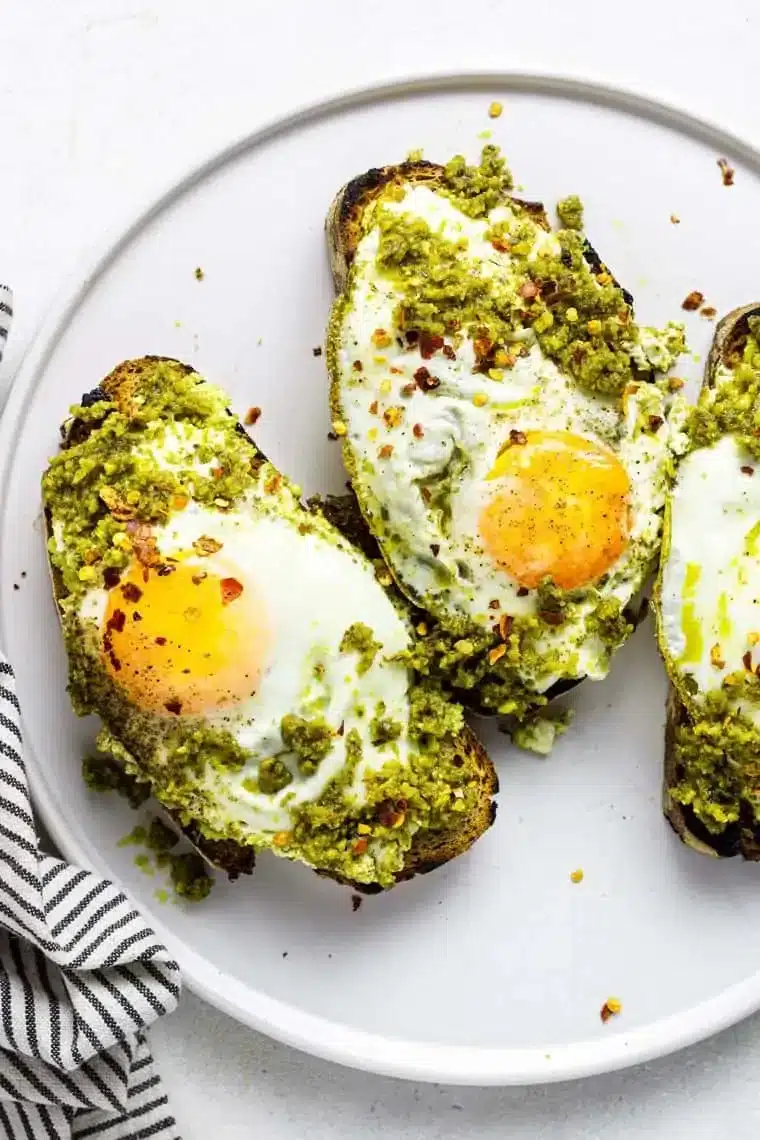
I still remember the first time I tried Pesto Eggs, a delightful twist on a classic breakfast that instantly captured my heart. It was a sun-soaked Saturday morning in Asheville, the kind of day that whispers promises of warmth and comfort. I had just returned from the local farmer’s market, my arms laden with herbs and vegetables that had been kissed by the mountain air.
After a long week, I was yearning for something simple yet profoundly satisfying. Flipping through my grandmother’s well-loved recipe book, I stumbled upon a handwritten note tucked between the pages—a note that spoke of eggs and pesto, two of my favorite things. Intrigued, I decided to create my own version, presenting the creamy green sauce atop perfectly scrambled eggs. As I whisked the eggs, the earthy aroma of basil wafted into the kitchen, mingling enchantingly with the garlicky notes of the pesto. My heart danced with anticipation.
That first bite of my Pesto Eggs was magical. The richness of the eggs melded with the vibrant pesto, creating a flavor explosion that felt like a warm embrace. Each mouthful reminded me of family gatherings, lazy weekends, and the pure joy that home-cooked meals can bring. If you’re looking for a dish that sings comfort and love, these Pesto Eggs are just the ticket.
Flavor and Popularity
The Unique Flavor Profile of Pesto Eggs
Pesto Eggs meld the earthy tones of fresh basil with the creaminess of well-cooked eggs, creating a symphony of flavors that dance on the palate. Picture this: the lush, herbaceous taste of pesto, with its uplifting burst of garlic, meets the velvety softness of perfectly scrambled eggs. Each forkful is an amalgamation of richness and freshness that elevates your breakfast experience.
The beauty of Pesto Eggs lies in their versatility. You can enhance the flavor profile with your choice of cheese; a sprinkle of Parmesan or a dollop of ricotta can introduce a new dimension of umami. If you’re a fan of heat, perhaps a pinch of red pepper flakes will awaken your taste buds. These eggs also carry the benefit of incorporating fresh, seasonal ingredients, allowing you to explore different pesto variations. You can experiment with sun-dried tomatoes, spinach, or even nut-based pestos. The possibilities are as endless as they are delicious!
Why This Recipe Is a Family Favorite and Crowd-Pleaser
Gathering around the breakfast table with loved ones is a cherished ritual in my home. The hustle and bustle of the week fade into the background as we share stories and laughter over hearty, nourishing meals. Pesto Eggs are a family favorite, and I promise you, they never fail to impress.
Why do they resonate so? It’s the comfort of nostalgia paired with modern flair. Each cream-colored egg swirled with vibrant green pesto takes us back to simpler times while still feeling utterly sophisticated. When I serve these at brunch gatherings, they always spark delighted conversations, where guests enthusiastically ask for the recipe, and smiles abound. The dish transforms any day into a festive occasion, proving that uncomplicated ingredients can create extraordinary results.
Ingredients and Preparation
Essential Ingredients and Possible Substitutions
To create the best Pesto Eggs, gather these essential ingredients:
- Eggs: The star of the show! Choose organic if you can; they tend to have a richer flavor.
- Pesto: Homemade or store-bought, fresh basil pesto packs the most punch. If you’re feeling adventurous, try a kale or arugula pesto for a unique twist.
- Cheese: Options like Parmesan, goat cheese, or feta amplify the dish’s flavor without overwhelming it.
- Olive oil or butter: Just a teaspoon adds moisture and richness.
- Salt and pepper: To taste, of course. These simple seasonings round out the flavors beautifully.
Substitutions? Absolutely! If you’re in a pinch, swap the eggs for silken tofu for a plant-based alternative. You can also substitute the pesto with a homemade salsa verde or even a creamy avocado spread for that buttery texture. Don’t let a missing ingredient stop your culinary creativity—one of the joys of cooking is experimentation!
Step-by-Step Recipe Instructions with Tips
Prep the Eggs: Crack 4 eggs into a bowl, whisking them together until well-blended. Season with a pinch of salt and pepper for depth. For creamier results, add a splash of milk or cream before whisking!
Sauté the Pesto: Heat 1 tablespoon of olive oil or butter in a non-stick skillet over medium heat. When the oil shimmers, add a generous 2 tablespoons of pesto. Cook for about 30 seconds to release the flavors.
Cooking the Eggs: Pour the whisked eggs into the skillet, gently stirring to incorporate the pesto. Continuously fold the eggs until they’re just set but still soft—remember, they’ll continue cooking from residual heat even after you remove them from the stove.
Add Cheese: If you’re adding cheese, fold it in just as the eggs finish cooking. Let it melt for a creamy finish, ensuring it elevates the flavor without overwhelming the eggs.
Serve Warm: Transfer your beautiful Pesto Eggs to a plate, garnishing with fresh herbs or an extra drizzle of pesto for that touch of artistry.
Tip: Don’t rush the cooking process! Low and slow ensures creaminess while preventing overcooked rubbery eggs. Think fluffy clouds of goodness rather than dry or crumbly bits!
Cooking Techniques and Tips
How to Cook Pesto Eggs Perfectly
For perfectly cooked Pesto Eggs, control the heat. Use medium or medium-low temperature, allowing the eggs to cook slowly. Stirring gently helps integrate the pesto without breaking down the eggs too much, ensuring that each bite is flavorful and rich. Adding a lid to the skillet for a minute can help the eggs cook evenly, trapping steam and effectively fluffing them up.
Common Mistakes to Avoid
When preparing Pesto Eggs, a few common pitfalls may arise. Firstly, overcooking is the main foe! Keep a watchful eye, as eggs continue cooking even once removed from the heat. Furthermore, make sure your ingredients are fresh—old pesto or eggs won’t deliver that vibrant flavor. Lastly, laboring over your eggs with constant stirring can hinder their fluffiness; less is more when it comes to mixing!
Health Benefits and Serving Suggestions
Nutritional Value of Pesto Eggs
Pesto Eggs not only delight the palate, but they also offer a range of health benefits. Eggs are a fantastic source of protein, essential vitamins, and good fats. The addition of pesto brings in the power of fresh basil, known for its anti-inflammatory properties and antioxidants. Olive oil contributes healthy monounsaturated fats, which support heart health. In short, this dish serves as a nutrient-packed breakfast or brunch option.
Best Ways to Serve and Pair This Dish
Serving Pesto Eggs can be as creative as you desire! Present them fluffy and warm atop a slice of toasted sourdough or as a filling inside a breakfast burrito for on-the-go mornings. Pair them with a fresh arugula salad dressed lightly in lemon for a vibrant contrast. The earthy flavors harmonize well with a light fruit salad or roasted tomatoes for balance.
If you’re feeling extra indulgent, adding crispy pancetta or a side of hearty roasted mushrooms can elevate your plate, transforming simple Pesto Eggs into a brunch showstopper.
FAQ Section
What type of mushrooms are best for Pesto Eggs?
For Pesto Eggs, earthy varieties like cremini or shiitake mushrooms work wonders. Their robust flavors complement the herbaceous notes of pesto beautifully. Sauté them until golden brown, and they’ll add a lovely texture contrast to your creamy eggs.
Can I use dried garlic instead of fresh?
While fresh garlic delivers a bright kick to your pesto, if you opt for dried garlic, use it sparingly; it can be quite potent. Consider mixing it with the pesto during its preparation for a more balanced flavor.
How do I store leftover Pesto Eggs?
Leftover Pesto Eggs can be stored in an airtight container in the refrigerator for up to two days. Reheat gently on the stovetop or in the microwave, adding a splash of water or olive oil to reintroduce moisture if needed.
Can I freeze Pesto Eggs?
While I recommend enjoying Pesto Eggs fresh, they can be frozen if necessary! Let them cool completely, then portion them into freezer-safe containers. They may lose some creaminess upon reheating, but they’ll still be tasty!
As I wrap up this culinary adventure, I invite you to bring the warmth of Pesto Eggs into your kitchen. If you’re like me, cooking connects us to memories and moments, and these Pesto Eggs promise to do just that. There’s something comforting about crafting a dish that not only fills bellies but also warms hearts. Trust me, you’ll want to make this again and again. Happy cooking!
Print
Pesto Eggs
- Total Time: 15 minutes
- Yield: 2 servings 1x
- Diet: Vegetarian
Description
A delightful twist on a classic breakfast featuring creamy scrambled eggs topped with vibrant basil pesto.
Ingredients
- 4 organic eggs
- 2 tablespoons fresh basil pesto (homemade or store-bought)
- 1 tablespoon olive oil or butter
- Salt and pepper to taste
- Optional: grated Parmesan, goat cheese, or feta for serving
Instructions
- Crack 4 eggs into a bowl and whisk together until well-blended. Season with salt and pepper.
- Heat 1 tablespoon of olive oil or butter in a non-stick skillet over medium heat. Add 2 tablespoons of pesto and cook for about 30 seconds.
- Pour the whisked eggs into the skillet, gently stirring to incorporate the pesto. Fold continuously until they are just set but still soft.
- If adding cheese, fold it in just as the eggs finish cooking until melted.
- Transfer the Pesto Eggs to a plate and garnish with fresh herbs or an extra drizzle of pesto.
Notes
Cook eggs over medium or medium-low heat to avoid overcooking. Gently stir to keep them fluffy.
- Prep Time: 10 minutes
- Cook Time: 5 minutes
- Category: Breakfast
- Method: Stovetop
- Cuisine: Italian
Nutrition
- Serving Size: 1 serving
- Calories: 300
- Sugar: 1g
- Sodium: 300mg
- Fat: 22g
- Saturated Fat: 8g
- Unsaturated Fat: 12g
- Trans Fat: 0g
- Carbohydrates: 4g
- Fiber: 0g
- Protein: 18g
- Cholesterol: 370mg
Keywords: breakfast, eggs, pesto, simple recipe, brunch