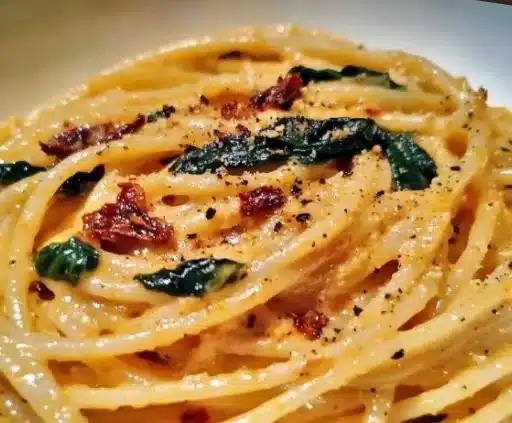

It was a warm summer evening when I first encountered Ethiopian Spiced Chicken. The sun dipped below the horizon, casting a warm, golden glow over my kitchen—a perfect backdrop for a culinary adventure I was about to embark on. I had recently befriended a wonderful woman from Addis Ababa, who generously invited me over for dinner, promising a taste of her homeland. I was both excited and a little nervous as I stepped into her cozy abode, filled with the rich aromas of spices wafting through the air. I can still recall that very moment of realization as I dipped my finger into her mesmerizing, vibrant berbere spice mix. Each ingredient told a story, and I couldn’t help but smile at the thought of recreating this extraordinary dish at home. Little did I know that Ethiopian Spiced Chicken would soon become a staple in my own kitchen—a dish that not only satisfies but brings my family together.
The first bite was an explosion of flavor—spicy yet balanced, with warm undertones that wrapped around my senses like a cozy blanket. As I savored the bites, my mind wandered back to my grandmother, who taught me that cooking is a way to share love and joy. The way my new friend plated that Ethiopian Spiced Chicken, with fluffy injera on the side, reminded me of my own Southern roots, deeply embedded in the art of communal dining. I knew right then that this delightful dish would carry not just those vibrant flavors of Ethiopia, but also the cherished essence of family and togetherness into my own home.
Flavor and Popularity
The Unique Flavor Profile of Ethiopian Spiced Chicken
When we think of Ethiopian cuisine, we’re often drawn in by its bold and complex flavors. Ethiopian Spiced Chicken is a vibrant dish that stands out not just for its taste but for its unique combination of spices and herbs. The star player, berbere, is a fiery blend of chilies, garlic, ginger, and an aromatic mix of spices such as fenugreek and coriander. One bite of this succulent chicken, and you will be enthralled. The heat from the berbere is tempered by the addition of buttery ghee and zesty lemon, creating a symphony of sweet, spicy, and savory that dances on your palate.
This dish also harmonizes beautifully with earthy vegetables and legumes, enhancing the flavor profile while adding vibrant colors to the plate. Don’t forget that an essential aspect of Ethiopian dining is the ritual of sharing. Traditionally served on injera, a spongy flatbread, you’ll find yourselves breaking bread with family and friends, making every bite an intimate experience.
Why This Recipe Is a Family Favorite and Crowd-Pleaser
Ethiopian Spiced Chicken has become a favorite in my home for a multitude of reasons. First and foremost, it’s approachable. With simple ingredients that pack a powerful punch, even the novice cook can feel like a culinary expert. This dish has an effortless way of turning an ordinary weeknight dinner into a festive gathering. Its vibrant colors and intoxicating aromas make it a natural centerpiece, drawing everyone to the table.
Moreover, there’s something about the communal aspect of Ethiopian cuisine that enriches the dining experience. My family enjoys coming together to tear pieces of injera and scoop up flavorful bites of chicken; it adds an element of joy to our meals. Each mouthful, infused with spice and laughter, fosters a strong connection—not just to the food, but to each other. As we gather around, we share stories, laughter, and sometimes a few tears, celebrating the highs and lows that life throws our way. For us, Ethiopian Spiced Chicken is more than just a recipe; it’s a tradition deeply rooted in love.
Ingredients and Preparation
Essential Ingredients and Possible Substitutions
To create your masterpiece of Ethiopian Spiced Chicken, you’ll need a few crucial ingredients that deliver on flavor and satisfaction. Here’s what you’ll gather:
Chicken (thighs are preferred): Thighs are juicy and tender, soaking up flavors beautifully. You can use boneless or bone-in, depending on your preference.
Berbere spice mix: This is an essential ingredient, bringing deep spice and warmth. Feel free to buy it pre-made or mix your own for a personal touch.
Garlic and ginger: Fresh garlic and ginger add brightness and depth to any marinade, enhancing the chicken’s flavor.
Ghee or oil: For sautéing, ghee adds a rich, nutty flavor. If you don’t have ghee, substitute with vegetable or olive oil.
Onions: Sautéed onions create a sweet, aromatic base for the dish.
Lemon juice: A splash of acidity helps cut through the heat and balances the flavors.
If you’re looking for some substitutions, consider the following options:
- For a lighter version, you could use skinless chicken breasts instead of thighs.
- If berbere is unavailable, a combination of paprika, cumin, and cayenne can work in a pinch.
- For a vegetarian option, replace the chicken with cauliflower or chickpeas.
Step-by-Step Recipe Instructions with Tips
Marinade the chicken. In a bowl, combine the chicken with garlic, ginger, lemon juice, and a generous sprinkle of berbere spice. Allow it to marinate for at least an hour, but if you’ve got time for longer, even overnight gives incredible depth.
Sauté the aromatics. Heat ghee or oil in a large skillet over medium heat. Add sliced onions and sauté until they’re golden and soft—this will take about 5-7 minutes.
Cook the chicken. Add the marinated chicken to the skillet along with any remaining marinade. Allow it to sear for about 5-6 minutes on each side, until the chicken is cooked through and tender. Keep an eye on the spice levels! If you prefer milder, you may want to adjust the berbere you use.
Add extra flavor. To elevate the dish, consider tossing in some diced tomatoes or chopped bell peppers during the last few minutes of cooking; the moisture will absorb the spices while adding extra flavor.
Rest and serve. Once cooked, remove the chicken from the heat and let it rest for a few minutes. Serve on a communal plate with warm injera or rice, inviting everyone to dig in.
Cooking Ethiopian Spiced Chicken is all about feeling the rhythm of the kitchen. Embrace the process and enjoy every moment as you create this unforgettable dish!
Cooking Techniques and Tips
How to Cook Ethiopian Spiced Chicken Perfectly
Cooking is as much an art as it is a science. The key to achieving succulent, flavorful Ethiopian Spiced Chicken lies in the way you treat the ingredients.
Marination is crucial. The longer you can allow the chicken to absorb those spices, the better the flavor will be. Don’t rush this step!
Heat control is another important technique. Start with high heat to sear the chicken and lock in moisture, then reduce to medium to cook it through without burning the outsides.
Use a meat thermometer to ensure doneness. The internal temperature should reach 165°F.
Let it rest after cooking. Similar to a good steak, allowing the chicken to rest will help redistribute the juices, making every bite juicy and satisfying.
Common Mistakes to Avoid
While cooking Ethiopian Spiced Chicken can be a delightful experience, there are a few pitfalls to avoid for perfect results:
Skipping the marination: Trust me, skipping this step will rob you of flavor. Marination isn’t just for show; it’s essential!
Using too much heat: While the spice is key, if you’re not careful with the cooking temperature, you could scorch the chicken before it properly cooks.
Overcrowding the pan: Allow the chicken enough space to brown. If the pan is too crowded, it will steam instead of sear, leading to soggy chicken.
Forgetting to taste: Always taste your marinade before adding it to your chicken. Adjust the seasonings as necessary, and don’t underestimate the power of lemon or salt to brighten flavors.
Health Benefits and Serving Suggestions
Nutritional Value of Ethiopian Spiced Chicken
One of the highlights of Ethiopian Spiced Chicken, aside from its mouthwatering flavor, is its nutritional benefits. Chicken is a lean source of protein and provides essential nutrients like vitamin B6 and niacin.
The spices in berbere spice mix, like ginger and garlic, contain powerful antioxidants and anti-inflammatory properties. Lemon juice boosts vitamin C, helping you absorb iron better from your meal, especially if served with lentils or dark leafy greens.
When served alongside injera, you create a balanced meal that not only satisfies but nourishes. This dish becomes a celebration of flavor, spice, and nourishment—something we all can appreciate!
Best Ways to Serve and Pair This Dish
Ethiopian Spiced Chicken shines best when served with warm injera, which acts as both a plate and a utensil. It’s traditional to place the chicken on a large communal platter, surrounded by colorful vegetable stews, lentils, or salads.
Don’t hesitate to pair this delectable dish with some cool, creamy yogurt or a side salad of fresh greens lightly dressed with lemon and olive oil. For drinks, consider a light, fruity white wine or a classic Ethiopian drink called tej, a honey wine that complements the spices beautifully.
For an easy weekday meal, you could simply serve the chicken over rice with a quick sauté of seasonal vegetables. The versatility of Ethiopian Spiced Chicken allows you to adapt it to whatever you have on hand, making the experience even more enjoyable.
FAQ Section
What type of mushrooms are best for Ethiopian Spiced Chicken?
While traditional Ethiopian Spiced Chicken doesn’t usually include mushrooms, if you’re looking to add them for extra flavor and texture, go for shiitake or cremini mushrooms. Their earthy flavors complement the spices wonderfully.
Can I use dried garlic instead of fresh?
If fresh garlic isn’t available, you can substitute with dried garlic powder, but be mindful that it’s more concentrated in flavor. Use about 1/4 teaspoon of dried garlic per clove of fresh garlic called for in the recipe.
How do I store leftover Ethiopian Spiced Chicken?
Store any leftovers in an airtight container in the fridge for up to three days. Make sure to let it cool to room temperature before sealing it up to ensure freshness.
Can I freeze Ethiopian Spiced Chicken?
Absolutely! Freezing Ethiopian Spiced Chicken is an excellent way to ensure nothing goes to waste. Place the cooled chicken in a freezer-safe container or bag, removing as much air as possible. It can be frozen for up to three months for best quality. When you’re ready to enjoy it again, simply thaw in the fridge overnight and reheat gently in the oven or on the stovetop.
Conclusion
If you’re like me, you’ll find that cooking is a cherished ritual of life—a way to weave together stories, memories, and emotions just as much as ingredients. Ethiopian Spiced Chicken is not just a dish but an invitation to share and connect, a beautiful blend of flavors that brings joy and warmth into your home. There’s something comforting about knowing you can create a meal that not only delights the senses but nurtures the spirit. So go ahead—embrace this recipe, gather your loved ones, and trust me, you’ll want to make this again and again.
Print
Ethiopian Spiced Chicken
- Total Time: 80 minutes
- Yield: 4 servings 1x
- Diet: Paleo
Description
A vibrant and flavorful dish featuring succulent chicken marinated in a unique berbere spice mix, embodying the essence of Ethiopian cuisine.
Ingredients
- 2 lbs chicken thighs (boneless or bone-in)
- 3 tablespoons berbere spice mix
- 4 cloves garlic, minced
- 1 tablespoon ginger, grated
- 2 tablespoons ghee or vegetable oil
- 1 large onion, sliced
- Juice of 1 lemon
- Optional: diced tomatoes or chopped bell peppers
Instructions
- In a bowl, combine chicken, garlic, ginger, lemon juice, and berbere spice. Marinate for at least 1 hour, preferably overnight.
- Heat ghee or oil in a large skillet over medium heat. Sauté sliced onions until golden and soft, about 5-7 minutes.
- Add the marinated chicken to the skillet along with any remaining marinade. Cook for about 5-6 minutes on each side until cooked through.
- For added flavor, toss in diced tomatoes or bell peppers during the last few cooking minutes.
- Remove from heat and let chicken rest for a few minutes. Serve with injera or rice.
Notes
Marination is key for flavor. Adjust berbere for desired spice level. Serve on a communal plate for a traditional Ethiopian experience.
- Prep Time: 60 minutes
- Cook Time: 20 minutes
- Category: Main Course
- Method: Sautéing
- Cuisine: Ethiopian
Nutrition
- Serving Size: 1 serving
- Calories: 420
- Sugar: 2g
- Sodium: 300mg
- Fat: 18g
- Saturated Fat: 6g
- Unsaturated Fat: 10g
- Trans Fat: 0g
- Carbohydrates: 15g
- Fiber: 2g
- Protein: 36g
- Cholesterol: 140mg
Keywords: Ethiopian chicken, spicy chicken, berbere, communal dining, family recipe