There’s a moment etched in my memory when I first encountered the iconic Burnt Basque Cheesecake. It was a warm summer evening, the kind where the golden hour drapes everything in a soft, rosy glow. I had gathered with a close circle of friends for a dinner party at my home in Asheville. The air was filled with laughter, the clinking of glasses, and the tantalizing aroma of dishes needling their way through my senses. As dinner wrapped up, someone suggested dessert, and just like that, I couldn’t resist sharing my new culinary discovery.
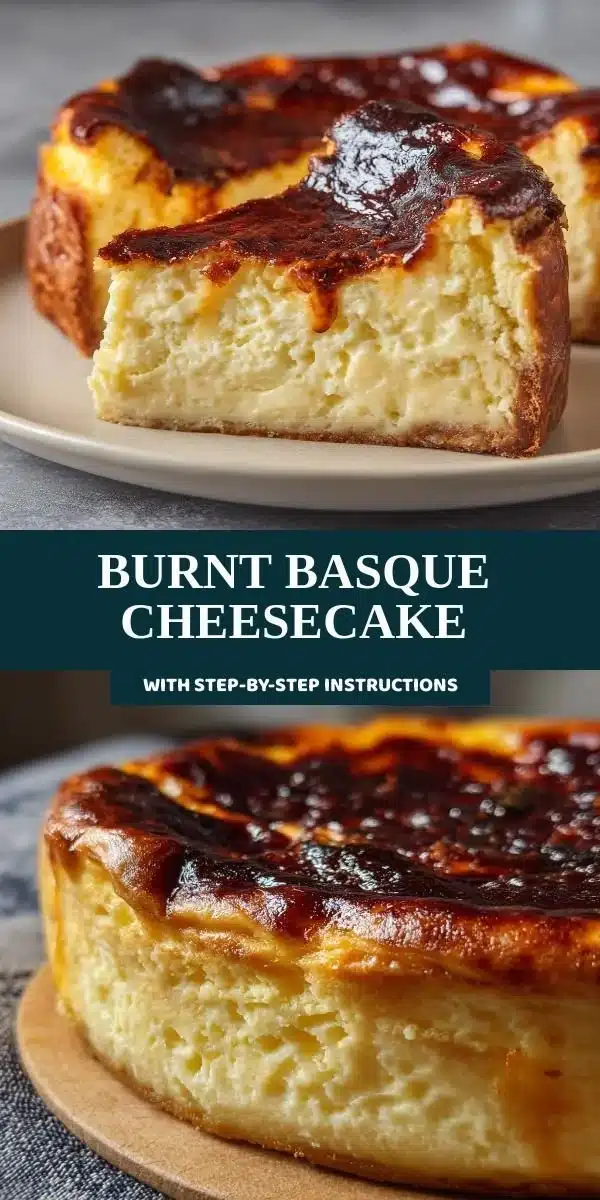
With a flourish, I introduced the Burnt Basque Cheesecake, its rugged, caramelized top shimmering under the dim lights, piquing both curiosity and appetite. I remember my heartbeat quickening as I sliced into its soft, creamy center. One bite, and smiles spread like warm butter on toast—it was pure delight. The earthy, slightly smoky notes paired seamlessly with the buttery richness, evoking memories of my grandmother’s kitchen but dressed in a modern twist. From that moment on, this beautiful, imperfect cheesecake became a crowd favorite, a recipe whispered about and requested repeatedly. It felt like a celebration of joy—a shared experience around the table, one that I now lovingly pass down to anyone with a spoon.
Flavor and Popularity
The Unique Flavor Profile of Burnt Basque Cheesecake
If you’ve ever tasted a Burnt Basque Cheesecake, you know it boasts a flavor that captures the essence of culinary creativity. The first thing to notice is its stunning contrast—a delicate, creamy center set against a dark, almost charred exterior. This dish masterfully blends textures and tastes, creating an experience that’s hard to forget.
The rich creaminess comes from a simple mix of cream cheese, eggs, sugar, and heavy cream, while the caramelized top offers a hint of bitterness, lending depth and an unexpected twist. This duality plays brilliantly with the palate, allowing each bite to reveal something new. Whether it’s the light tang from the cream cheese or the sweet notes of vanilla, every element harmonizes beautifully, allowing it to dance on your taste buds long after the last bite is gone.
As for popularity, it has captured hearts globally. This unique cheesecake, hailing from San Sebastián, Spain, has taken the dessert world by storm. People flock to bakeries just for a taste, and home bakers everywhere are embracing its charming imperfect nature. It’s become a delightful staple for special occasions, family gatherings, or even a simple weeknight indulgence.
Why This Recipe Is a Family Favorite and Crowd-Pleaser
There’s a certain magic in sharing a Burnt Basque Cheesecake with friends and family. It transcends borders, bringing everyone together in the name of deliciousness. The rustic nature of this dessert evokes a sense of warmth and comfort—qualities that resonate deeply with my Southern roots. Like the way my grandmother prepared her dishes, this cheesecake encourages imperfections. Cracks and a slightly burnt top only enhance its character and promise of flavor.
It’s a recipe that has an enchanting story, one of simplicity and elegance. Even if you fancy yourself a novice baker, this cheesecake is incredibly forgiving. Each time I make it, I look forward to the moment when the cheesecake is presented, and faces light up in anticipation. From the first slice to the last crumb, the shared experience of enjoying something homemade nourishes not just the body but the spirit, and there’s nothing more delightful than seeing loved ones savor a dessert crafted with care.
Ingredients and Preparation
Essential Ingredients and Possible Substitutions
When preparing a Burnt Basque Cheesecake, gathering the right ingredients is paramount for success. Here’s what you’ll need:
- Cream Cheese: The star of the show. Opt for full-fat cream cheese for richness.
- Heavy Cream: This adds a silky texture, making the cheesecake ultra-luxurious.
- Eggs: Essential for binding and achieving that custardy consistency.
- Sugar: A touch of sweetness to balance the ingredients. Granulated sugar works best.
- Vanilla Extract: This elevates the overall flavor profile. Pure vanilla extract is always my go-to for authenticity.
- Flour (optional): Some recipes call for a bit of flour to stabilize the cheesecake, but I often skip it for a more decadent result.
If you’re looking for substitutions, don’t fret! You can use Greek yogurt for a lightened-up version. A dairy-free alternative like vegan cream cheese works wonders too—though keep in mind it may alter the flavor slightly. And if you don’t have heavy cream, a blend of half-and-half and cream can still get you close to that luscious result.
Step-by-Step Recipe Instructions with Tips
Now, let’s dive into the method—you’ll find it wonderfully straightforward, making it a delightful addition to your repertoire. Here’s how to whip up your Burnt Basque Cheesecake:
Preheat the Oven: Start by preheating your oven to 400°F (200°C). A hot oven is vital for producing that beautiful burnt top.
Prepare Your Pan: Line a 9-inch round cake pan with parchment paper. Don’t worry about perfection—allow the edges to hang over the sides. This little quirk is part of the charm. Spray the lining lightly with non-stick spray for good measure.
Mix the Cream Cheese: In a large bowl, beat the cream cheese with an electric mixer until smooth and creamy. Be sure to scrape down the sides to ensure even mixing. This process usually takes about 2 minutes.
Add Sugar and Eggs: Gradually mix in the sugar until fully combined. Then, add the eggs one at a time, mixing well after each addition. You want to maintain the creaminess without overbeating.
Incorporate Heavy Cream and Vanilla: Slowly pour in the heavy cream and vanilla extract, mixing until the batter is smooth and silky. Your nose will thank you as those aromas dance around the kitchen!
Bake: Pour the batter into the prepared pan. Transfer it to the preheated oven and bake for about 25-30 minutes. The top should be a rich brown, resembling burnt caramel, while the center remains slightly jiggly—it’ll set as it cools.
Cool Down: After baking, let the cheesecake cool in the pan at room temperature for an hour. Then, refrigerate for at least 4 hours or overnight for best results. This patience allows the flavors to deepen.
Serve and Enjoy: When you’re ready to serve, gently pull away the parchment paper, slice, and plate. It’s wonderful on its own, but fresh berries or a drizzle of honey can elevate it even further.
Cooking Techniques and Tips
How to Cook Burnt Basque Cheesecake Perfectly
Achieving that perfect texture and flavor for your Burnt Basque Cheesecake requires just a bit of finesse. Here are some tips to ensure your success:
- Invest in Quality Ingredients: When it comes to cheesecake, the quality of your ingredients truly matters. Full-fat cream cheese and heavy cream create a richer flavor.
- Watch the Baking Time: Every oven is different, so keep a close eye on it as you approach the end of the baking time. You want that deliciously dark top but don’t let it overbake!
- Resist the Urge: After baking, let it cool completely before you slice. I know the temptation is there, but the flavors meld beautifully during cooling.
Common Mistakes to Avoid
While Burnt Basque Cheesecake is forgiving, there are still pitfalls to keep in mind:
- Overmixing the Batter: It’s easy to get too enthusiastic. Overmixing can create excess air in the batter, leading to cracks. Keep it smooth yet gentle.
- Skipping the Refrigeration: Don’t rush this step; refrigerating allows the cheesecake to set properly, ensuring a delightful, creamy texture when you take your first bite.
- Not Using Parchment Paper: I can’t stress this enough—failing to line your pan can lead to sad moments of cheesecake stuck at baking time. Lining also adds to the rustic charm we love!
Health Benefits and Serving Suggestions
Nutritional Value of Burnt Basque Cheesecake
While Burnt Basque Cheesecake is undoubtedly a treat, it still brings nutritious elements to the table. Cream cheese provides calcium and protein, while the eggs contribute healthy fats and essential nutrients. Heavy cream, while rich, delivers energy and satiation. It’s important, of course, to enjoy this cheesecake in moderation as part of a balanced diet.
Best Ways to Serve and Pair This Dish
When it comes to serving, the beauty of a Burnt Basque Cheesecake is that it stands wonderfully on its own. However, if you’re looking to enhance the experience, consider these pairing options:
- Fresh Berries: Strawberries, raspberries, or blueberries add a tart contrast that complements the sweetness of the cheesecake.
- Caramel or Honey Drizzle: A touch of sweetness enhances the flavors without overpowering them.
- Mint Leaves: For a burst of freshness, add a sprig of mint—it also beautifies the presentation!
FAQ Section
What type of mushrooms are best for Burnt Basque Cheesecake?
While mushrooms may not traditionally fit into a cheesecake recipe, if you’re curious about savory variations, earthy mushrooms like shiitake or cremini can enhance an unexpected twist on creamy desserts with umami notes.
Can I use dried garlic instead of fresh?
When it comes to cheesecake, garlic isn’t a typical ingredient. However, for savory dishes, you can substitute dried garlic, but fresh garlic provides a more vibrant flavor.
How do I store leftover Burnt Basque Cheesecake?
Keep any leftover cheesecake wrapped tightly in plastic wrap or in an airtight container in the refrigerator. It can last up to a week, though I doubt it will last that long!
Can I freeze Burnt Basque Cheesecake?
Yes, you can freeze it! Just make sure it’s properly wrapped to prevent freezer burn. It can last for up to 3 months. Thaw it overnight in the fridge for the best texture upon serving.
Conclusion
If you’re like me and find immense joy in the art of homemade desserts, I can’t recommend a Burnt Basque Cheesecake enough. It’s more than just a cake; it’s a connection—between the kitchen, our loved ones, and cherished memories. Each time you make it, you’re not just creating a decadent treat but crafting a moment that will be remembered. Trust me, you’ll want to make this again and again—whether for a family gathering, a cozy night in, or to treat yourself. It’s the kind of joy I love sharing, and I hope you embrace the delight of baking this beautiful, rustic cheesecake, too!
Print
Burnt Basque Cheesecake
- Total Time: 45 minutes
- Yield: 8 servings 1x
- Diet: Vegetarian
Description
A decadent and uniquely flavored cheesecake with a caramelized top and creamy center, perfect for gatherings and special occasions.
Ingredients
- 16 oz (450g) cream cheese, softened
- 1 cup (240ml) heavy cream
- 3 large eggs
- 3/4 cup (150g) granulated sugar
- 1 tsp vanilla extract
- 2 tbsp (15g) all-purpose flour (optional)
Instructions
- Preheat the oven to 400°F (200°C).
- Line a 9-inch round cake pan with parchment paper, allowing edges to hang over.
- In a large bowl, beat cream cheese until smooth.
- Add sugar and mix until combined, then add eggs one at a time, mixing well after each.
- Slowly mix in heavy cream and vanilla extract until smooth.
- Pour the batter into the prepared pan and bake for 25-30 minutes until the top is dark brown and the center is slightly jiggly.
- Cool the cheesecake at room temperature for 1 hour, then refrigerate for at least 4 hours or overnight.
- Serve chilled, enjoying it plain or with fresh berries or a drizzle of honey.
Notes
This cheesecake is forgiving to make; don’t worry about cracks in the top as they add character. Always refrigerate before serving for best texture.
- Prep Time: 15 minutes
- Cook Time: 30 minutes
- Category: Dessert
- Method: Baking
- Cuisine: Spanish
Nutrition
- Serving Size: 1 slice
- Calories: 450
- Sugar: 25g
- Sodium: 350mg
- Fat: 34g
- Saturated Fat: 21g
- Unsaturated Fat: 10g
- Trans Fat: 0g
- Carbohydrates: 28g
- Fiber: 0g
- Protein: 6g
- Cholesterol: 140mg
Keywords: cheesecake, dessert, Spanish dessert, Burnt Basque Cheesecake, easy cheesecake