The first time I encountered Vietnamese Noodle Soup (Pho), I found myself in a tiny, bustling restaurant tucked away in a lively corner of Atlanta. I can still recall the moment vividly—the warm, fragrant air filled with hints of anise and basil, wrapping around me like a comforting scarf. Sitting at a beaten wooden table, I watched as the chef skillfully wielded the ladle, pouring steaming broth into beautifully crafted bowls, each adorned with fresh herbs and colorful toppings. The vibrant sights and smells were intoxicating, but it was the first taste that truly enchanted me.
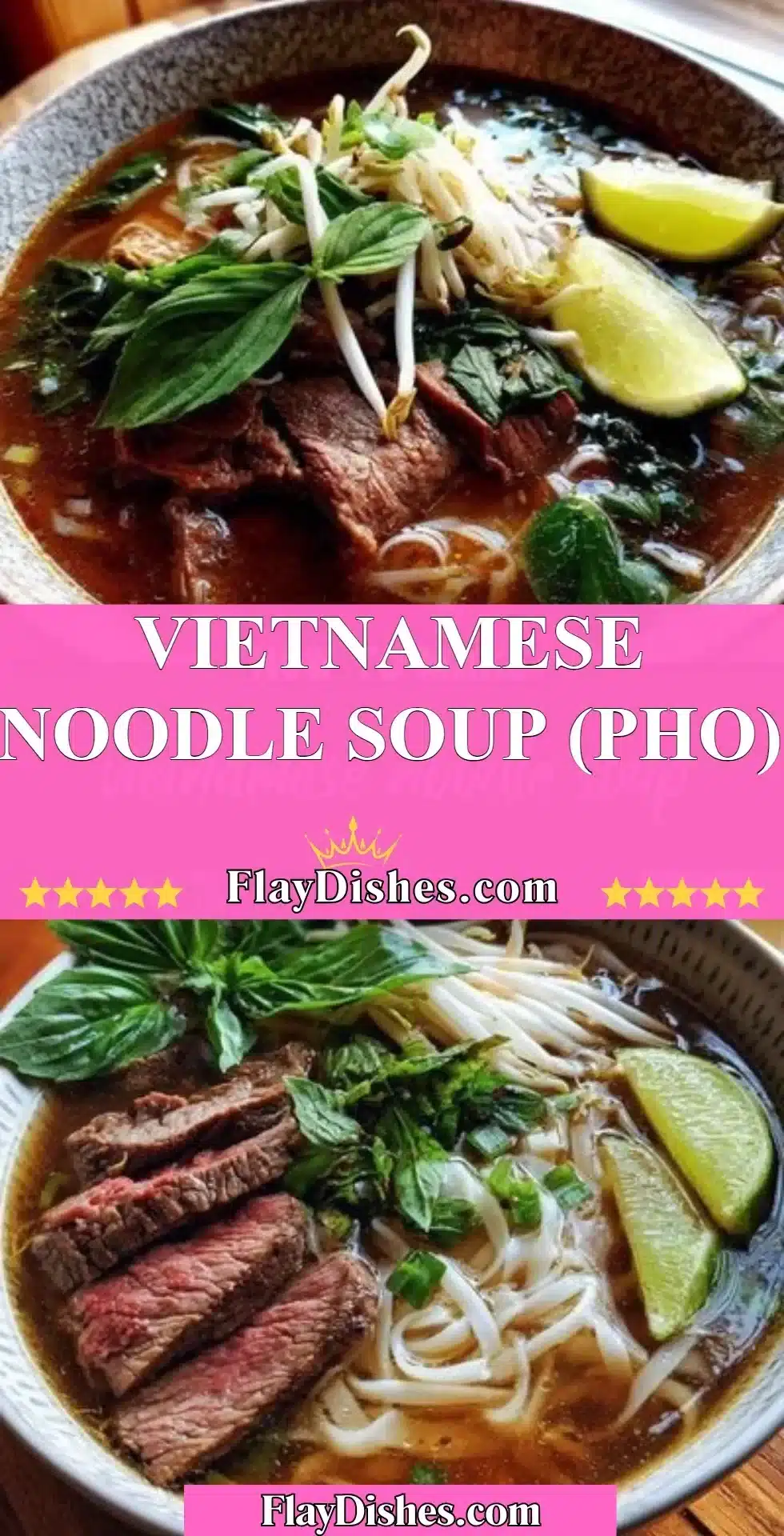
As I lifted the spoon to my lips, the aromatic richness of the broth enveloped my senses, a hug in a bowl. The delicate rice noodles danced lovingly amidst tender slices of beef, while bright green herbs and a squeeze of lime added a refreshing zing. It was an experience that reminded me of my grandmother’s kitchen—filled with passion, love, and the simple joys that come from cooking. From that day on, Vietnamese Noodle Soup (Pho) became a cherished recipe in my own kitchen, a bowl of happiness that I couldn’t wait to pass on to family and friends.
Flavor and Popularity
The Unique Flavor Profile of Vietnamese Noodle Soup (Pho)
Vietnamese Noodle Soup (Pho) is a symphony of flavors that captivates the palate. The star of this dish is undoubtedly the broth—slow-simmered to perfection with spices like star anise, cloves, and a touch of cinnamon that lend an aromatic quality, setting it apart from other noodle soups. This depth of flavor, combined with the freshness of herbs such as cilantro and Thai basil, gives Pho its signature taste profile that is both comforting and invigorating.
The delicate rice noodles soak up the broth’s essence, creating a harmonious balance that dances in your mouth. The combination of ingredients offers a medley of experiences—earthy, spicy, and sometimes a little sweet, making each bowl a delightful journey. It’s no wonder that Pho has secured its place in the hearts of many and has transitioned from a street-side staple in Vietnam to a beloved dish enjoyed globally.
Why This Recipe Is a Family Favorite and Crowd-Pleaser
In my home, Vietnamese Noodle Soup (Pho) has become more than just a meal; it’s a tradition. Whether it’s a cold winter evening or a special family gathering, this dish brings everyone together. The aroma that fills my kitchen as the broth simmers is an invitation to explore and unwind, evoking laughter and stories shared over steaming bowls.
What I love most is how adaptable Pho is—it welcomes creativity while maintaining its authentic roots. From choosing different proteins—like chicken, beef, or even tofu—to experimenting with toppings such as bean sprouts or jalapeños, there’s something for everyone. This versatility makes it a fantastic crowd-pleaser, as guests can customize their bowls to their unique tastes. Trust me, once you serve this dish to your loved ones, they’ll be asking for it again and again!
Ingredients and Preparation
Essential Ingredients and Possible Substitutions
To create your own Vietnamese Noodle Soup (Pho), gather the following essential ingredients:
Broth: The foundation of any Pho relies on a well-made broth. You can use beef bones, chicken bones, or a combination thereof for a rich and hearty base.
Rice Noodles: Flat rice noodles, typically labeled as Bánh phở, are what give Pho its unique texture and are crucial to the dish.
Proteins: While thinly sliced beef is traditional, feel free to experiment with chicken or even plant-based proteins like tofu for a vegetarian twist.
Aromatics: Fresh ginger, onions, and garlic form the flavor base of the broth—sauté them until golden for maximum depth.
Herbs: Fresh herbs such as cilantro, Thai basil, and green onions add brightness. They are crucial for that signature Pho flavor.
Spices: Star anise, cloves, and cinnamon need to find their way into your broth. These spices might seem simple, but they create a complex flavor that’s quintessential to Pho.
Acid: Fresh lime juice brings everything together, enhancing the flavors and brightening the dish.
Chili: For those who like a kick, fresh chili slices or chili paste can elevate your bowl to new spicy heights.
If you’re in need of substitutions, don’t fret! Chicken thighs can easily replace beef for a lighter option, and vegetable broth can serve as an excellent base for a vegetarian Pho. Don’t hesitate to swap out fresh herbs for whatever you have on hand, too—parsley can add a lovely touch if you’re in a pinch.
Step-by-Step Recipe Instructions with Tips
Prepare the Broth: Begin by roasting the onion and ginger until charred to add a smoky depth. In a large pot, combine your beef bones and enough water to cover them—let it simmer on low heat for a few hours. You’ll want to skim off any foam that rises to the top to keep your broth clear.
Add Spices: Once your broth has simmered, toss in star anise, cloves, cinnamon, and any other spices you’re using. Let the flavors meld together for at least an hour; the longer, the better!
Strain and Serve: After the broth is rich and flavorful, strain it into another pot. Add your noodles into bowls, pour over the steaming broth, and pile on your choice of sliced beef, chicken, or tofu.
Toppings Galore: Set out toppings like fresh herbs, bean sprouts, lime wedges, and chili slices so guests can customize their bowls. Cooking is all about community, after all—you want your family to feel involved.
Enjoy Together: Gather around with your loved ones, a hearty meal in hand, and share warm conversations. Pho isn’t just food; it’s a celebration of togetherness.
Cooking Techniques and Tips
How to Cook Vietnamese Noodle Soup (Pho) Perfectly
Achieving the perfect Vietnamese Noodle Soup (Pho) is all about the time and care you put into the broth. The longer it simmers, the deeper the flavors develop. Patience is key—so settle in with a good book or your favorite music while the heavenly smells waft through your kitchen.
Always taste the broth as you go; this is where it all happens! Adjust the seasoning with salt, a bit of sugar, or more lime juice, depending on your preferences. Don’t forget to keep the toppings fresh and vibrant; they’ll add textural contrast to the rich broth and create a visually stunning dish.
Common Mistakes to Avoid
When creating Pho, avoid the common pitfall of rushing the broth. If time allows, extend the simmering period; a few extra hours can make all the difference. Additionally, don’t skip the step of straining the broth. This helps achieve that crystal-clear elegance that’s characteristic of authentic Pho. Always serve the noodles and toppings freshly prepared and allow each person to build their bowl—this creates a fun, engaging experience.
Health Benefits and Serving Suggestions
Nutritional Value of Vietnamese Noodle Soup (Pho)
Vietnamese Noodle Soup (Pho) is not only a feast for the senses but is also packed with nutrition. Depending on your choice of protein, Pho can be rich in lean proteins, vitamins, and minerals from fresh herbs and vegetables. The use of fresh ginger and garlic aids digestion and provides antioxidant benefits, while the broth, packed with minerals from bones, supports joint health and boosts immunity.
It’s also wonderfully customizable! If you want to elevate the nutritional value further, consider adding more vegetables like bok choy or bell peppers. Just toss them in during the last few minutes of stew time, allowing them to soften while retaining their crunch.
Best Ways to Serve and Pair This Dish
Vietnamese Noodle Soup (Pho) shines best when served piping hot in deep bowls, peppered with fresh herbs and zesty lime. Pair it with a chilled Thai iced tea or a light white wine to complement the vibrant flavors in the soup. For sides, try crispy spring rolls or a refreshing cucumber salad that balances the warmth of the Pho beautifully.
FAQ Section
What type of mushrooms are best for Vietnamese Noodle Soup (Pho)?
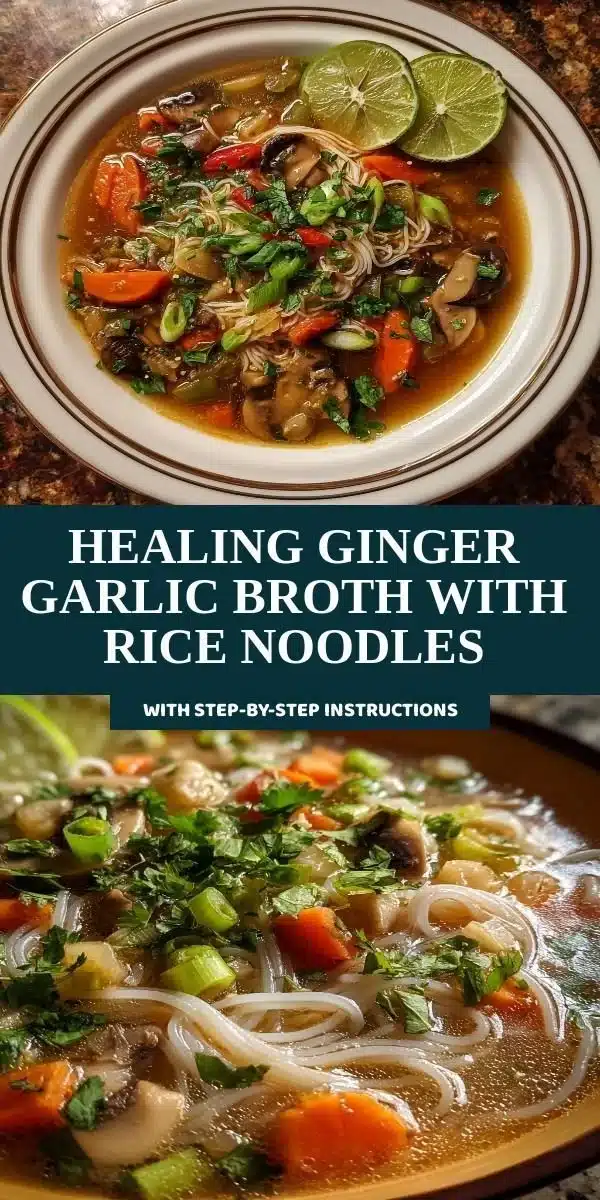
While mushrooms aren’t traditional in all Pho recipes, if you’re looking to add a unique twist, shiitake or enoki mushrooms work beautifully. Their earthly flavor complements the broth without overpowering the other ingredients.
Can I use dried garlic instead of fresh?
Definitely! While fresh garlic has a brighter taste, dried garlic can work in a pinch. Just be aware that it may not provide the same punch of flavor but will still contribute to the overall taste of your Pho.
How do I store leftover Vietnamese Noodle Soup (Pho)?
Store leftover broth in an airtight container in the fridge for up to three days. Keep the noodles and toppings separate to maintain freshness. When ready to enjoy, simply reheat the broth and add fresh noodles and toppings.
Can I freeze Vietnamese Noodle Soup (Pho)?
Sure! The broth freezes well, making it convenient for meal prep. Just remember to cool the broth before placing it in an airtight container. Noodles and toppings should be added fresh when you reheat the broth, as freezing can change their texture.
Conclusion
If you’re like me and find joy in the kitchen, I encourage you to try crafting your own Vietnamese Noodle Soup (Pho). There’s something comforting about creating a dish where love and flavor intertwine so beautifully. Whether it’s a chilly evening or a weekend family get-together, this soup is sure to warm your heart and bring smiles all around the table. Trust me, you’ll want to make this again and again—it’s more than a meal; it’s a chance to connect, share, and create cherished memories. Grab your apron, roll up your sleeves, and let the delicate aromas guide you on your journey to cooking one of life’s simple joys!
Print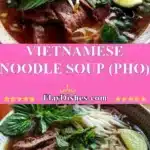
Vietnamese Noodle Soup (Pho)
- Total Time: 210 minutes
- Yield: 4 servings
- Diet: Gluten-Free
Description
A comforting bowl of traditional Vietnamese Noodle Soup, featuring a rich broth, delicate rice noodles, and fresh herbs.
Ingredients
- Beef bones
- Flat rice noodles (Bánh phở)
- Thinly sliced beef (or chicken or tofu)
- Fresh ginger
- Onions
- Garlic
- Cilantro
- Thai basil
- Green onions
- Star anise
- Cloves
- Cinnamon
- Fresh lime juice
- Fresh chili slices or chili paste
- Salt
- Sugar
Instructions
- Prepare the Broth: Roast the onion and ginger until charred; combine beef bones and water in a large pot and simmer on low heat for a few hours.
- Add Spices: Once simmered, add star anise, cloves, cinnamon, and any other spices; let meld for at least an hour.
- Strain and Serve: Strain the broth, add noodles to bowls, pour over broth, and top with sliced proteins.
- Toppings Galore: Serve toppings like fresh herbs, bean sprouts, lime wedges, and chili slices for customization.
- Enjoy Together: Gather loved ones around the table and share warm conversations over your delicious Pho.
Notes
The longer the broth simmers, the deeper the flavor; always taste as you go to adjust seasonings.
- Prep Time: 30 minutes
- Cook Time: 180 minutes
- Category: Main Course
- Method: Simmering
- Cuisine: Vietnamese
Nutrition
- Serving Size: 1 serving
- Calories: 400
- Sugar: 6g
- Sodium: 600mg
- Fat: 15g
- Saturated Fat: 5g
- Unsaturated Fat: 7g
- Trans Fat: 0g
- Carbohydrates: 50g
- Fiber: 4g
- Protein: 25g
- Cholesterol: 60mg
Keywords: Vietnamese soup, pho, noodle soup, comfort food, beef broth