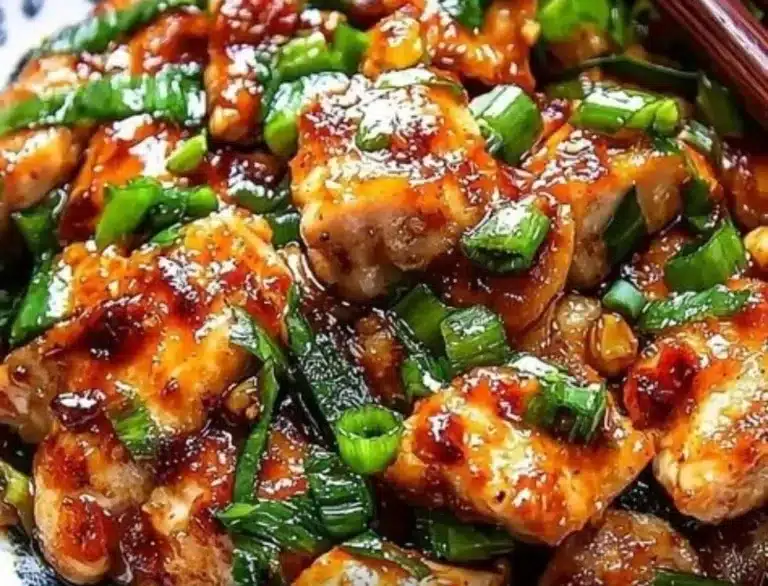
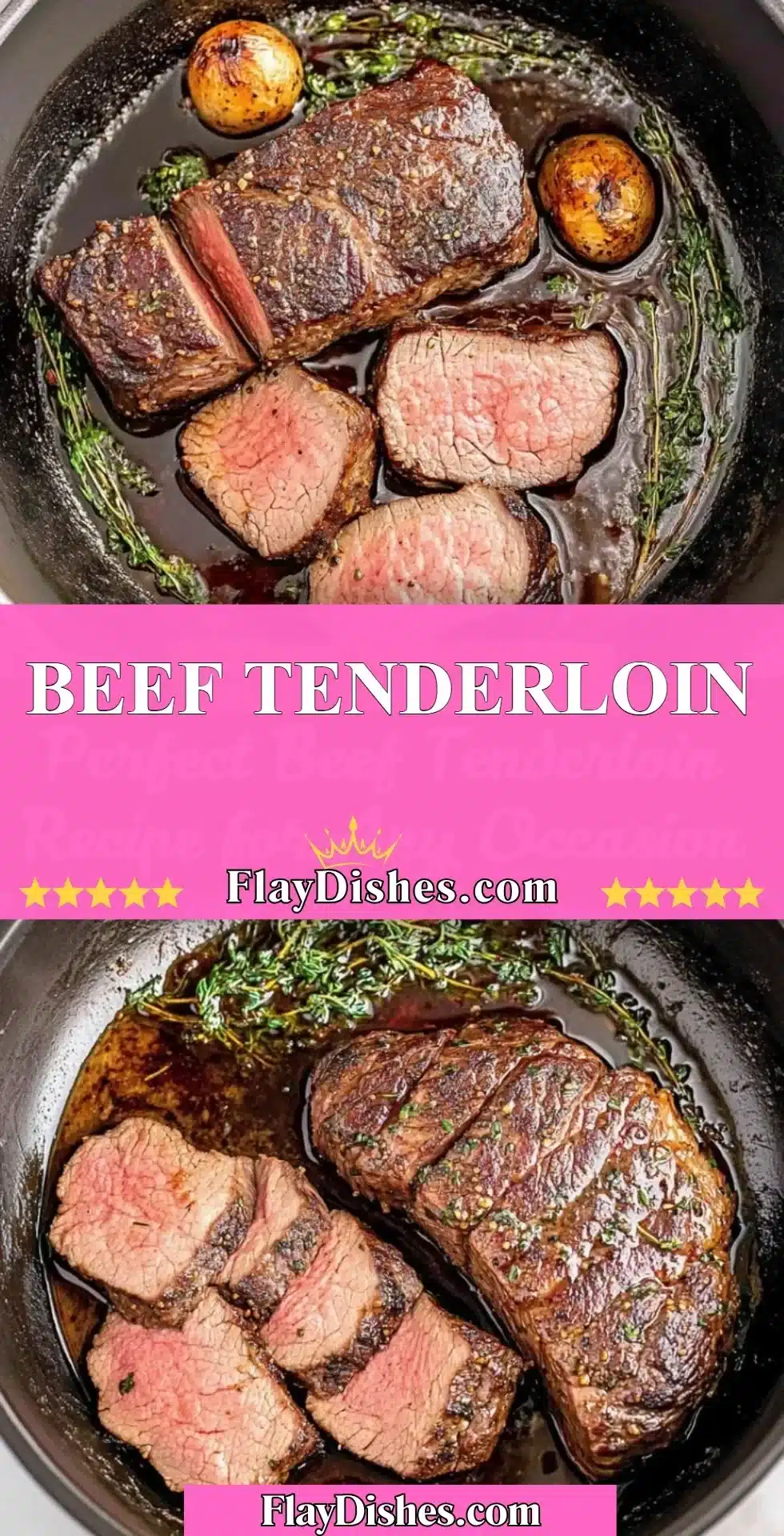
Beef Tenderloin carries a special place in my heart, one that takes me back to the first time I prepared it for my family. I remember the day distinctly: my grandmother was visiting from out of town, and we decided to turn this magnificent cut of meat into a memorable feast. As a home cook in sunny Asheville, North Carolina, I always felt a sense of wonder when trying new recipes, but cooking Beef Tenderloin was a different level of excitement. The luxurious aroma filled our kitchen, wrapping around us like a warm hug as we seasoned the tenderloin with a medley of herbs and garlic, reminiscent of the flavors from my childhood.
As the meat sizzled in the skillet, a rich umami flavor began to develop, causing my stomach to grumble in anticipation. We paired the tenderloin with sautéed garlic mushrooms, echoing that age-old family recipe from my grandmother’s kitchen. That meal was more than just dinner—it was a celebration of our heritage, a tribute to family gatherings, and a moment of pure joy shared around the table. Each slice of the Beef Tenderloin glistened as I plated it, showcasing its tender texture and deep flavor, and my family’s eyes sparkled with delight. It became a signature dish that would grace our table on special occasions, reminding us that food is not merely sustenance but an experience crafted with love.
Flavor and Popularity
The Unique Flavor Profile of Beef Tenderloin
Beef Tenderloin boasts a buttery, melt-in-your-mouth texture that makes it one of the most sought-after cuts of meat. Unlike the more robust flavors found in larger cuts like brisket or chuck, the tenderness of beef tenderloin delivers a subtle yet rich taste. This cut shines with minimal seasoning, allowing the natural flavors to take center stage. When cooked to perfection, the buttery quality is accentuated, offering a delightful contrast to any accompanying side dish.
A simple sprinkle of salt and pepper can elevate your Beef Tenderloin. For those who love to experiment, herbs such as rosemary, thyme, or even a hint of garlic can add wonderful layers of flavor. The key here is to highlight the tenderloin’s natural qualities without overshadowing them with overpowering spices. This flavor profile is why Beef Tenderloin is often the star of festive meals, effortlessly pleasing even the pickiest eaters at the table.
Why This Recipe Is a Family Favorite and Crowd-Pleaser
There’s no denying the magic that Beef Tenderloin brings to a gathering. It’s a dish that fosters conversation, connection, and celebration. Not only is it easy to prepare, but it also leaves a lasting impression. When you serve Beef Tenderloin, it becomes more than a meal; it turns into a demonstration of care and effort, serving as a centerpiece around which loved ones gather.
In my family, it’s not just about the food; it’s about creating cherished memories. Watching my children’s faces light up as they take their first bites of perfectly tender beef is a joy like no other. The satisfaction of knowing I’ve created a dish they adore adds to my love for cooking and the incredible world of flavors that it holds. With a reputation for being a crowd-pleaser, Beef Tenderloin has graced our dining table on birthdays, anniversaries, and holidays, reminding us all that gatherings are enriched by shared experiences over a well-cooked meal.
Ingredients and Preparation
Essential Ingredients and Possible Substitutions
To prepare a stunning Beef Tenderloin, gather the following essential ingredients:
- Beef Tenderloin: Choose a high-quality cut, ideally from a trusted butcher.
- Salt and Pepper: Freshly cracked pepper and kosher salt enhance the beef’s natural flavors.
- Olive Oil or Butter: Adds richness and helps achieve that beautiful sear.
- Fresh Herbs: Rosemary and thyme complement the meat wonderfully.
- Garlic: A few cloves, minced, can elevate the dish significantly.
- Red Wine or Beef Broth (optional): Perfect for creating a delicious sauce after searing.
If you’re unable to find Beef Tenderloin, consider substituting with Filet Mignon, which is cut from the same area and will yield a similarly luxurious texture. For the herbs, dried varieties can work in a pinch, but fresh will always provide a brighter flavor profile.
Step-by-Step Recipe Instructions with Tips
Now, let’s dive into the recipe for the best Beef Tenderloin you’ll ever make. Follow these steps for a perfectly cooked tenderloin:
Preparation: Start with the beef at room temperature. This ensures even cooking. Pat it dry with paper towels; moisture can prevent a good sear.
Seasoning: Generously season your tenderloin with salt and freshly cracked black pepper, rubbing it all over so it’s well-coated. Adding minced garlic and herbs at this stage will infuse wonderful flavors into the meat.
Searing: Heat a large skillet over high heat and add olive oil or butter. Once hot, gently place the tenderloin in the skillet. Sear each side for about 3-4 minutes until a golden crust forms. Turn the temperature down and continue cooking, turning occasionally.
Finishing in the Oven: Preheat your oven to 400°F (200°C). After searing, transfer the skillet to the oven. Cook until the internal temperature reaches 125°F (52°C) for medium-rare, or adjust according to your preference.
Resting: Remove the tenderloin from the oven and allow it to rest for about 15 minutes before slicing. This helps retain the juices and ensures every bite is moist.
Serving: Slice the tenderloin into thick medallions and arrange them on a serving platter. Consider making a simple pan sauce with red wine and beef broth, scraping the flavorful bits from the skillet and reducing to a delicious glaze.
Cooking Beef Tenderloin is a straightforward process, but each step comes with its own little tricks. Always remember, patience is key! Allow the meat to rest and stay attentive while cooking to avoid the common mistake of overcooking.
Cooking Techniques and Tips
How to Cook Beef Tenderloin Perfectly
To cook Beef Tenderloin perfectly, it’s crucial to focus on a few key techniques:
Temperature Control: Use a meat thermometer to ensure accurate cooking. For medium-rare, aim for an internal temperature of about 130°F (54°C) before removing it from the oven.
Resting Time: Resting after cooking is a must. Letting the meat sit allows juices to redistribute, ensuring each slice is juicy and tender.
Searing: Don’t skip the searing step! It locks in flavor and creates a beautiful crust that adds texture and richness to the dish.
Common Mistakes to Avoid
Even the most seasoned cooks can make mistakes. Here are some common pitfalls to avoid when preparing Beef Tenderloin:
Skipping the Sear: The searing process is crucial for flavor development. Don’t rush it or skip this step for a cozier approach. If you’re pressed for time, you may find the finished product lacking that essential depth of flavor.
Overcooking: Keep a close eye on the internal temperature. Avoid the temptation to cook it longer just to ensure it’s done. Overcooking Beef Tenderloin can lead to a less enjoyable, drier meal.
Neglecting Rest Time: It may be tempting to cut into that inviting piece of meat immediately, but resist! Cutting too soon can result in a flood of precious juices, leaving your tenderloin less succulent.
Health Benefits and Serving Suggestions
Nutritional Value of Beef Tenderloin
Beef Tenderloin isn’t just a delicious dish; it offers nutritional benefits as well. It’s an excellent source of high-quality protein, essential for building and repairing tissues. Rich in B vitamins, particularly B12, it supports energy production and brain health.
Additionally, Beef Tenderloin contains minerals like zinc and iron, essential for immune function and oxygen transport in the body, respectively. While it’s higher in fat than some lean cuts, the fat in Beef Tenderloin is often monounsaturated, which can be heart-healthy in moderation. Remember, enjoying a well-balanced portion alongside a variety of vegetables can create a wholesome meal that satisfies both hunger and nutritional needs.
Best Ways to Serve and Pair This Dish
Beef Tenderloin lends itself beautifully to a range of side dishes that can complement its rich flavor. Here are a few of my favorites:
Sautéed Garlic Mushrooms: The earthiness of sautéed garlic mushrooms pairs beautifully with the tender, juicy beef. They add that delightful umami flavor which completes the meal.
Garlic Mashed Potatoes: Creamy mashed potatoes infused with garlic give a comforting and indulgent touch.
Seasonal Vegetables: Roasted or steamed seasonal vegetables, whether it be asparagus, broccoli, or Brussels sprouts, bring color and balance to the plate.
A Side Salad: A fresh green salad with a vinaigrette can provide a refreshing contrast to the rich meat.
Adding these culinary companions transforms your Beef Tenderloin into a full, festive feast that warms hearts and creates delightful memories around the table.
What type of mushrooms are best for Beef Tenderloin?
For Beef Tenderloin, fresh shiitake, cremini, or portobello mushrooms work wonderfully. Their earthy flavors complement the beef without overpowering it. Sautéing them with garlic and herbs creates an unforgettable side dish that enhances the tenderloin’s rich taste.
Can I use dried garlic instead of fresh?
While fresh garlic is always preferable for its vibrant flavor, you can use dried garlic in a pinch. Just remember that dried garlic is more concentrated, so use less than you would of fresh. A good rule of thumb is to substitute one teaspoon of dried garlic for every tablespoon of fresh.
How do I store leftover Beef Tenderloin?
To store leftover Beef Tenderloin, allow it to cool to room temperature before wrapping it tightly in plastic wrap or placing it in an airtight container. It can be refrigerated for up to three days. When reheating, do so gently to preserve tenderness.
Can I freeze Beef Tenderloin?
Absolutely! Wrap the Beef Tenderloin tightly in plastic wrap, followed by aluminum foil, and place it in the freezer. It can be frozen for about 4-6 months. Defrost in the refrigerator before reheating to maintain quality.
If you’re like me, cooking is a delightful expression of love and creativity. Preparing Beef Tenderloin brings a sense of joy and satisfaction, knowing you’re serving something truly special to those you cherish. I encourage you to try your hand at this recipe, to feel the joy as the aromas fill your kitchen and the smiles around your table grow wider. Trust me, you’ll want to make this again and again. There’s something comforting about sharing a beautifully cooked dish with family and friends and celebrating life’s precious moments together. Happy cooking!
Print
Perfect Beef Tenderloin
- Total Time: 45 minutes
- Yield: 4 servings 1x
- Diet: None
Description
A luxurious and tender cut of beef, perfectly seasoned and seared to create a memorable dining experience.
Ingredients
- 1 Beef Tenderloin (high-quality, from a trusted butcher)
- Salt (to taste)
- Freshly cracked black pepper (to taste)
- 2 tablespoons Olive oil or Butter
- Fresh herbs (Rosemary and Thyme)
- 4 cloves Garlic (minced)
- 1/2 cup Red Wine or Beef Broth (optional for sauce)
Instructions
- Preparation: Let the beef reach room temperature and pat it dry with paper towels.
- Seasoning: Generously season the tenderloin with salt, cracked black pepper, minced garlic, and herbs.
- Searing: In a skillet over high heat, add olive oil or butter and sear each side of the tenderloin for about 3-4 minutes until golden brown.
- Finishing in the Oven: Preheat the oven to 400°F (200°C) and transfer the skillet to the oven, cooking until the internal temperature reaches 125°F (52°C) for medium-rare.
- Resting: Remove from the oven and let rest for 15 minutes before slicing.
- Serving: Slice into thick medallions and serve, optionally creating a pan sauce with red wine and beef broth.
Notes
For best results, use a meat thermometer and allow the beef to rest before slicing to retain juices.
- Prep Time: 15 minutes
- Cook Time: 30 minutes
- Category: Main Course
- Method: Searing and Roasting
- Cuisine: American
Nutrition
- Serving Size: 1 serving
- Calories: 350
- Sugar: 0g
- Sodium: 400mg
- Fat: 20g
- Saturated Fat: 8g
- Unsaturated Fat: 10g
- Trans Fat: 0g
- Carbohydrates: 5g
- Fiber: 0g
- Protein: 30g
- Cholesterol: 90mg
Keywords: beef tenderloin, main course, holiday dinner, family recipe, gourmet cooking